2025 saw game developers scrambling to avoid heavy hitters like Grand Theft Auto 6 and Hollow Knight: Silksong
Published: 25/12/2025
Article
There was a time when picking a videogame release window was relatively straightforward. Big publishers aimed for the golden stretch one to three months before Christmas, while midsize and indie developers avoided the holiday crush altogether. Summer, meanwhile, was considered dead space—conventional wisdom held that players were outside, not buying games.
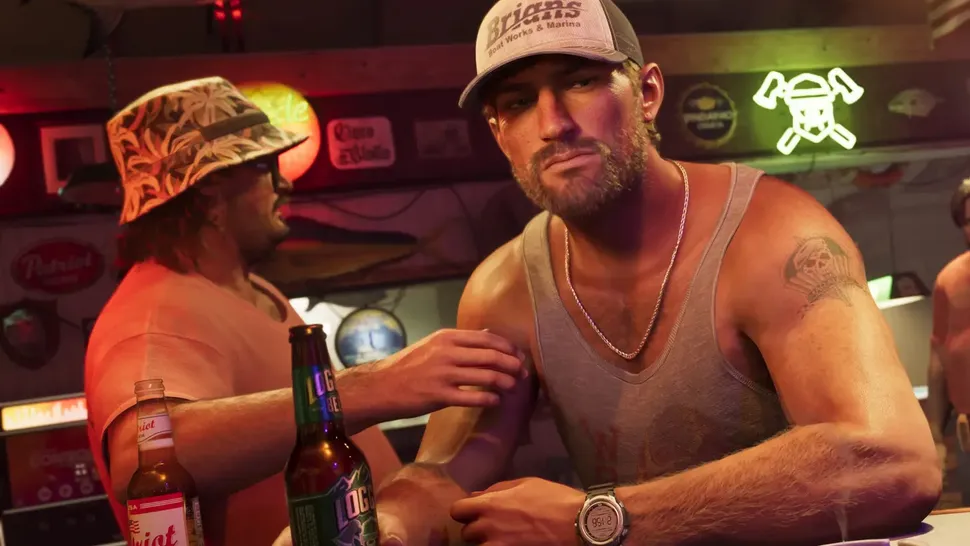
About a decade ago, that logic began to unravel. Holiday releases became overcrowded, so major publishers shifted to February through April. Those months quickly filled up as well, pushing big releases into May and even June. Indie developers found themselves squeezed from all sides, trapped between drifting AAA blockbusters and Steam’s endless flood of new releases.
By 2025, the idea of a “good” release window has effectively disappeared. Games launch every single day, meaning developers are always competing for attention. The calendar matters less now than the massive releases that distort everything around them—games so big that studios will do almost anything to avoid launching nearby.
This explains why so many developers spent 2025 playing release-date chess. The first looming threat was Grand Theft Auto 6. When Rockstar announced it was coming in 2025—without a firm date—studios were left guessing, trying to predict where it might land so they could escape its commercial gravity.
Relief came when GTA 6 slipped to May 2026, only for panic to return when it was pushed again to November 2026. Each shift sent ripples through development schedules, forcing studios to rethink plans years in advance. Some publishers, like Devolver Digital, have boldly committed to releasing alongside Rockstar’s juggernaut, but most are steering well clear.
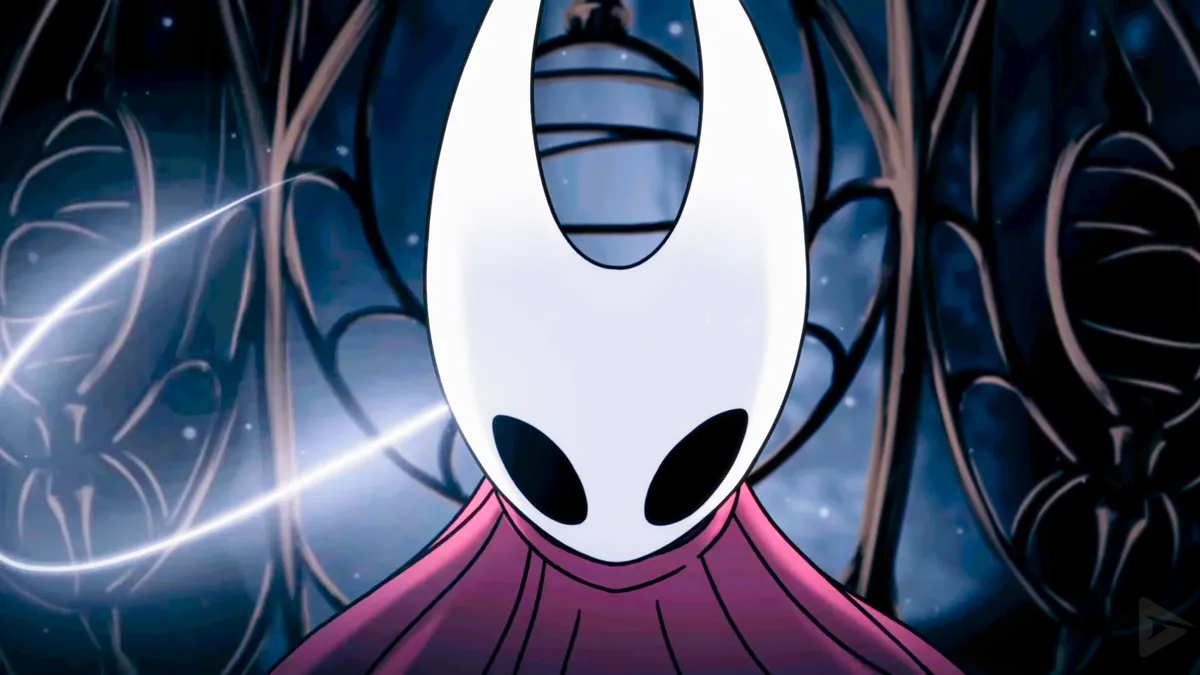
GTA 6 wasn’t the only disruption. After years of silence that fueled enormous hype, Team Cherry suddenly announced Hollow Knight: Silksong—with a release date just weeks away. The impact was immediate. Games like Demonschool and Baby Steps scrambled to move out of its path, while Team Cherry later apologized for the chaos its announcement caused.
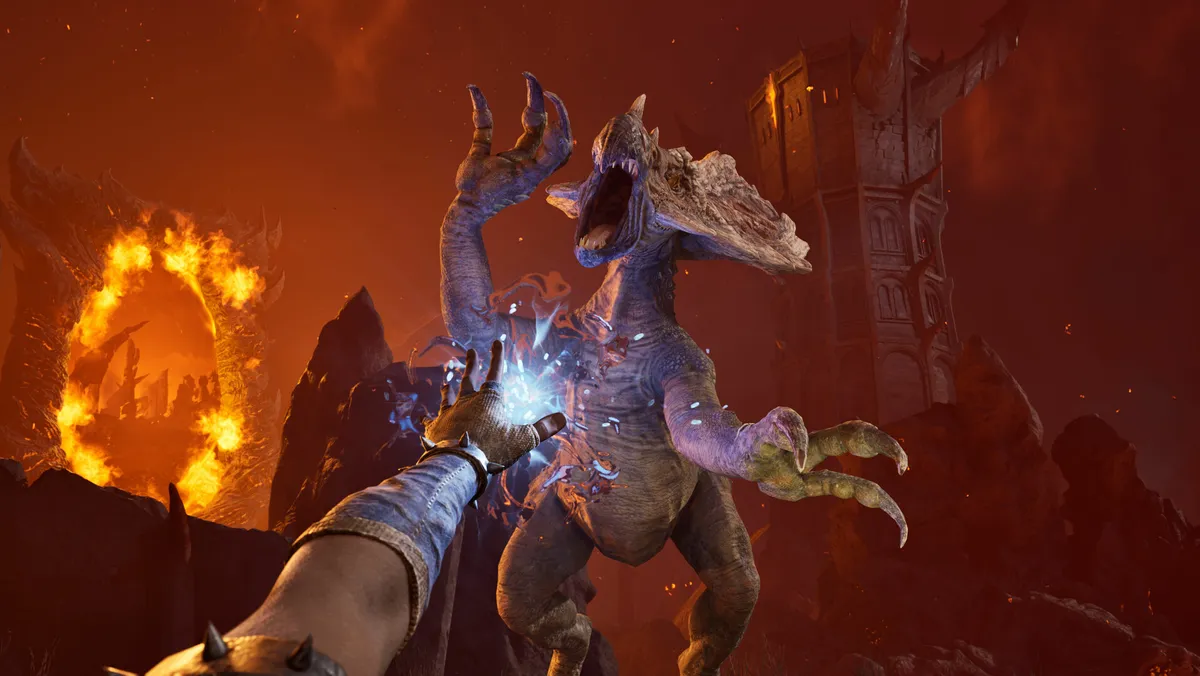
Some publishers chose not to move. Atari released Adventure of Samsara alongside Silksong, and the results were reportedly grim. Even worse was Microsoft’s surprise release of Oblivion Remastered, which landed without warning and blindsided smaller studios. Developers reported sudden drops in sales, with some seeing revenue fall by double-digit percentages overnight.
While shadow-dropping a massive release may seem discourteous, platform holders aren’t obligated to give advance notice. And even with warning, games of that scale would still dominate attention wherever they landed. With Steam’s release volume growing every year, these knock-on effects are only becoming more severe.
Looking ahead, the question isn’t whether developers will scramble to avoid certain games in 2026—it’s which ones. GTA 6 will continue to warp the industry, especially if its date shifts again. February already looks dangerous thanks to Resident Evil: Requiem, and unannounced heavy hitters like Fable could still trigger fresh calendar crises.
In the modern games industry, there’s no longer a safe release window—only bigger ships to dodge.