2025 may have been a breakthrough year for Linux gaming, but there’s still a long road ahead before I’m ready to move on from Windows.
Published: 26/12/2025
Article
From the perspective of everyday PC users, 2025 has arguably been the strongest year Linux has ever had. It’s received an unusual amount of attention as a genuine alternative to Windows, particularly in the gaming space. I even made the jump myself earlier this year. But after returning to Windows, I don’t see myself switching back to Linux full-time anytime soon.
The renewed enthusiasm around Linux was largely driven by Valve’s Linux-based operating system, SteamOS, becoming usable on devices beyond the Steam Deck. That move had been anticipated for a long time, but early this year it finally began to feel like a real, practical option.
SteamOS has been able to showcase Linux’s gaming potential primarily thanks to Proton, Valve’s compatibility layer that translates Windows game instructions into something Linux can interpret. Proton is a gaming-focused fork of WINE, built and actively maintained by Valve to ensure Windows games run smoothly on Linux systems.
Over time, Proton has matured to the point where many supported games now run almost flawlessly. Valve has a strong incentive to make sure this remains true, as a seamless gaming experience on SteamOS directly translates to more Steam Deck hardware sales and increased activity on the Steam Store.
The continued development of Proton has played a huge role in making Linux distributions genuinely viable for gaming. And that applies to Linux as a whole, not just SteamOS. Any Linux distro can take advantage of Proton through Steam, which means this progress extends far beyond Valve’s own operating system.
(Image credit: Future)
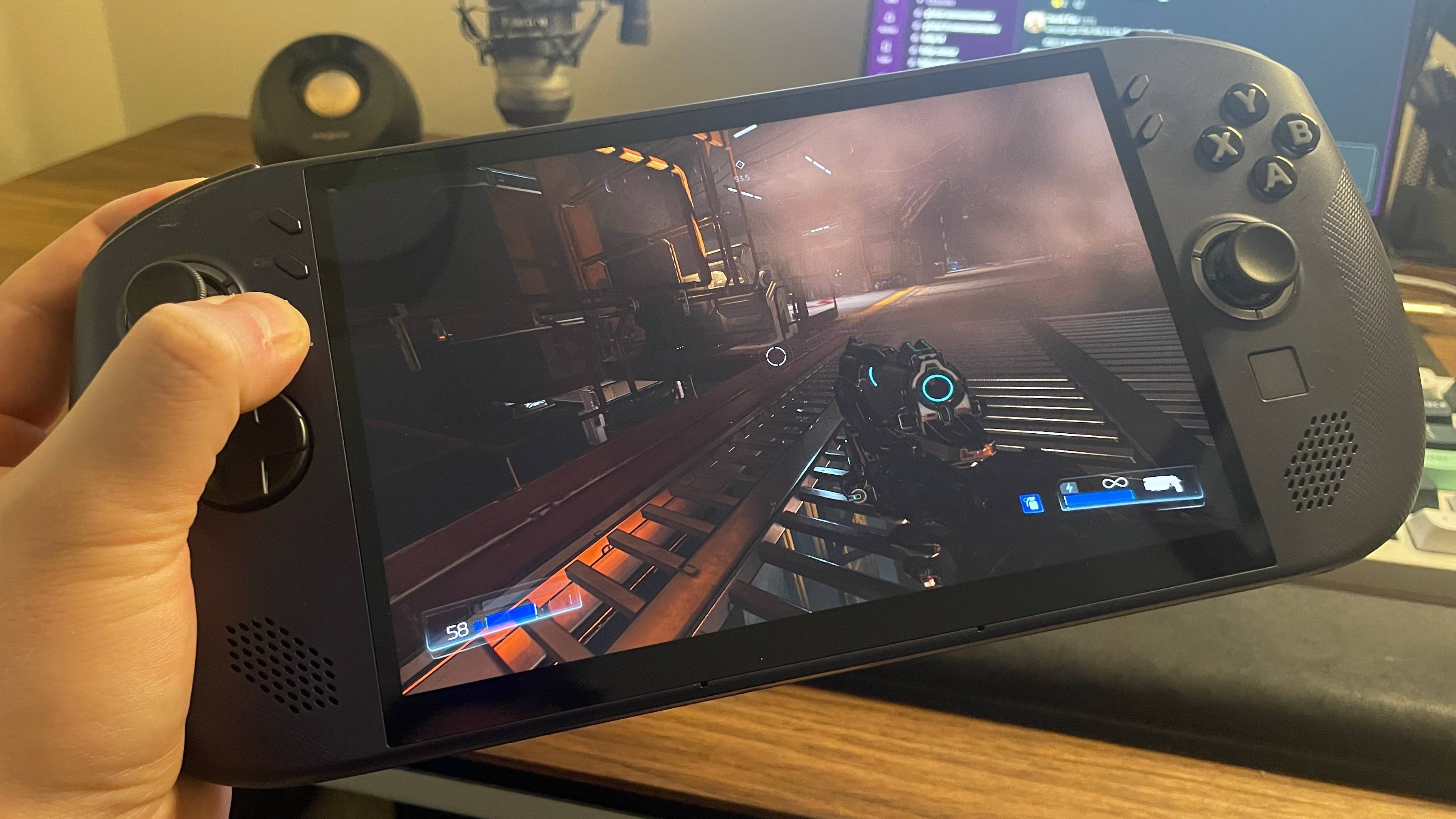
That said, the recent surge in SteamOS interest was specifically fueled by the Lenovo Legion Go S. Developed in collaboration with Valve, it became the first third-party handheld to ship with SteamOS officially. Even before its launch, adventurous handheld users had already begun manually installing SteamOS recovery images on non-Steam Deck devices.
I experimented with this myself on the Windows version of the Legion Go S and came away impressed. Performance was noticeably better, sleep and resume worked more reliably, and the full-screen interface felt far more natural on a handheld device. While there are limitations—some games still don’t work—the ones I care about ran perfectly well, making SteamOS an excellent choice for handheld gaming.
Once the official SteamOS Legion Go S launched, it quickly became one of the most popular handheld gaming PCs available. That success isn’t solely due to the operating system—the device itself is comfortable, well-designed, and powerful—but the Arch-based OS clearly plays a meaningful role.
Other handheld users weren’t content to sit on the sidelines either. Our own hardware lead experimented with SteamOS on a variety of devices, including the Ayaneo Kun, OneXPlayer OneXFly, OneXPlayer X1, and the OneXFly F1 Pro.
Unfortunately, those experiments were often plagued by bugs or failed outright. The exception was a Framework 13 laptop, where SteamOS ran surprisingly well—better than on several handhelds. Third-party alternatives like Bazzite, a Fedora-based SteamOS-style distro, offer a smoother experience in many cases, but they’re still not flawless. For now, the Steam Deck and SteamOS-powered Legion Go S remain the only devices that deliver a consistently polished experience.
Even with SteamOS’s limited expansion, Linux still enjoyed a major visibility boost in 2025. More users began to realize it could be a realistic Windows alternative, even for gaming. That message spread through influencers, tech publications, and quiet experimentation from users like myself.
My own return to Linux, however, was brief. I’ve tried Linux many times over the years, but I’ve never fully committed long-term. This time, I was pushed back to Windows rather forcefully. While working remotely at Gamescom, my Linux install completely fell apart—trackpad issues, Wi-Fi failures, and more—and I simply didn’t have the time or patience to troubleshoot.
Unless kernel-level anti-cheats disappear, some gamers will always have a reason to stay on Windows.
A rushed Windows reinstall became my only option, and the experience left enough of a scar that I’m hesitant to rely on Linux for any work-critical machine. I’d already encountered issues earlier, such as Nobara Linux struggling with hybrid graphics and external displays, but the Gamescom incident sealed my decision.
That said, Linux enthusiasm continued to build throughout the year. Whether that momentum was organic or amplified by tech media didn’t really matter—the excitement was undeniably there.
Two major developments pushed that hype even further. First, Windows 10’s looming end-of-life reignited dissatisfaction with Windows 11. Second, Valve announced the return of the Steam Machine, sparking interest in a SteamOS-powered desktop—assuming pricing lands in the right range.
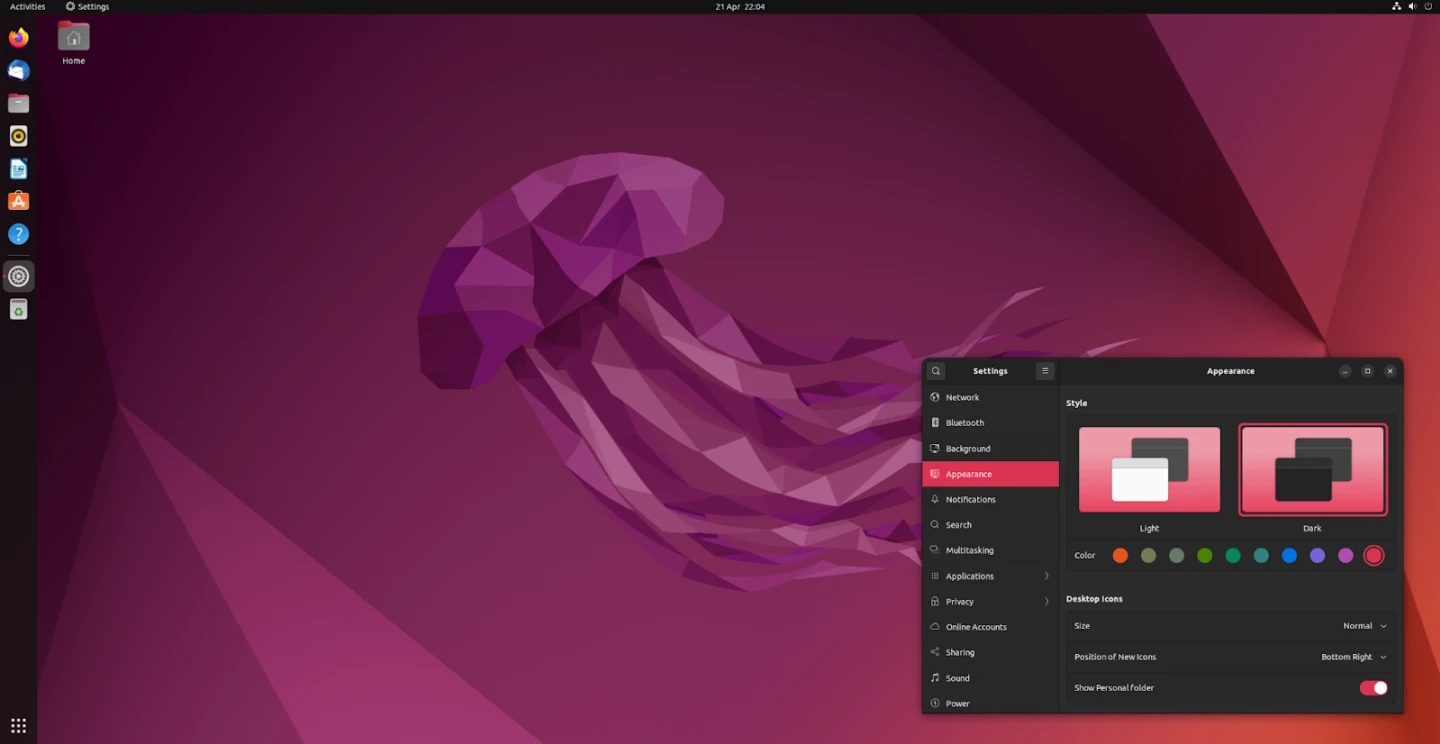
A screenshot of the Ubuntu 22.04 LTS desktop. (Image credit: Canonical)
Of course, Linux’s appeal isn’t limited to SteamOS alone. SteamOS has simply proven that gaming on Linux is not only possible, but in many cases superior to Windows, particularly in terms of stability and system overhead.
Meanwhile, Windows 11 has spent 2025 piling on AI-driven features that many users never asked for. Linux continues to offer the opposite philosophy: full control over your system, configured exactly how you want it. With Proton handling gaming competently, it’s easy to understand the appeal.
So yes—2025 has been an excellent year for Linux. But I’m still not switching.
The constant threat of unexpected roadblocks is one reason I’m staying put.
The biggest obstacle is anti-cheat software. I’m primarily a multiplayer gamer, having grown up with titles like Team Fortress 2, Counter-Strike Source, Call of Duty 4, StarCraft 2, and World of Warcraft. That preference hasn’t changed.
Years ago, Linux struggled with game compatibility more than anti-cheat. Today, that situation has flipped. Kernel-level anti-cheats have become widespread, and they simply don’t work on Linux.
These systems operate at the deepest layer of an operating system, making them effective against cheats—but also controversial. Granting that level of access introduces potential security concerns and makes many users uncomfortable.

The Convergence wallpaper used in the Linux-based gaming OS, Bazzite. (Image credit: Bazzite)
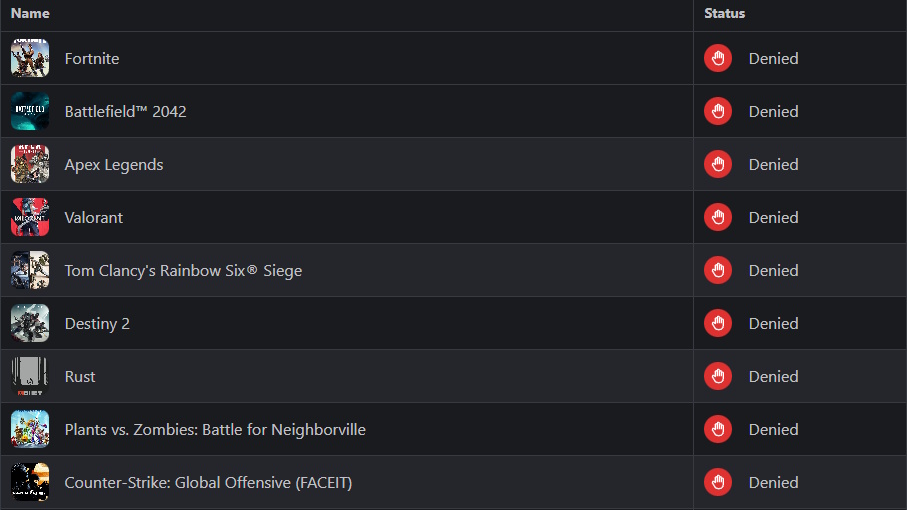
Regardless of those concerns, kernel-level anti-cheats are here to stay. More games rely on them every year, including major titles like Apex Legends, Fortnite, and Valorant.
Linux doesn’t support these systems largely because users can modify the kernel itself, undermining the effectiveness of anti-cheat software. While a Linux-compatible kernel-level solution isn’t impossible, there’s little incentive for developers to pursue it—especially given Linux’s open-source nature.
Game developers also show little interest in moving away from these solutions. Some have openly stated that Proton or Linux support weakens anti-cheat effectiveness, making cheating easier.
As long as kernel-level anti-cheats remain standard, there will always be players who stick with Windows. Even single-player-focused gamers may hesitate, knowing future games could lock them out.
(Image credit: Are We Anti-Cheat Yet)
The list of incompatible games isn’t enormous, but it includes enough high-profile titles to create uncertainty. That lack of peace of mind—wondering whether a game will simply work—is something Linux still struggles with.
Ultimately, while Linux had a remarkable year, I don’t think it will trigger a mass migration from Windows. Dual-booting, handheld gaming, and Steam Machines may grow in popularity, but Windows will remain the primary platform for many.
That could change in time. Linux’s flexibility and user control are compelling. But until reliability improves further and alternatives to kernel-level anti-cheat emerge, I don’t think we’re anywhere near a tipping point.